
Unlocking the Invisible Economy: Why SA's Small Businesses Struggle to Access Funding
Explore why South Africa's vital small businesses often struggle to access capital despite available funds. Learn about solutions to unlock funding for the 'unseen' economy.
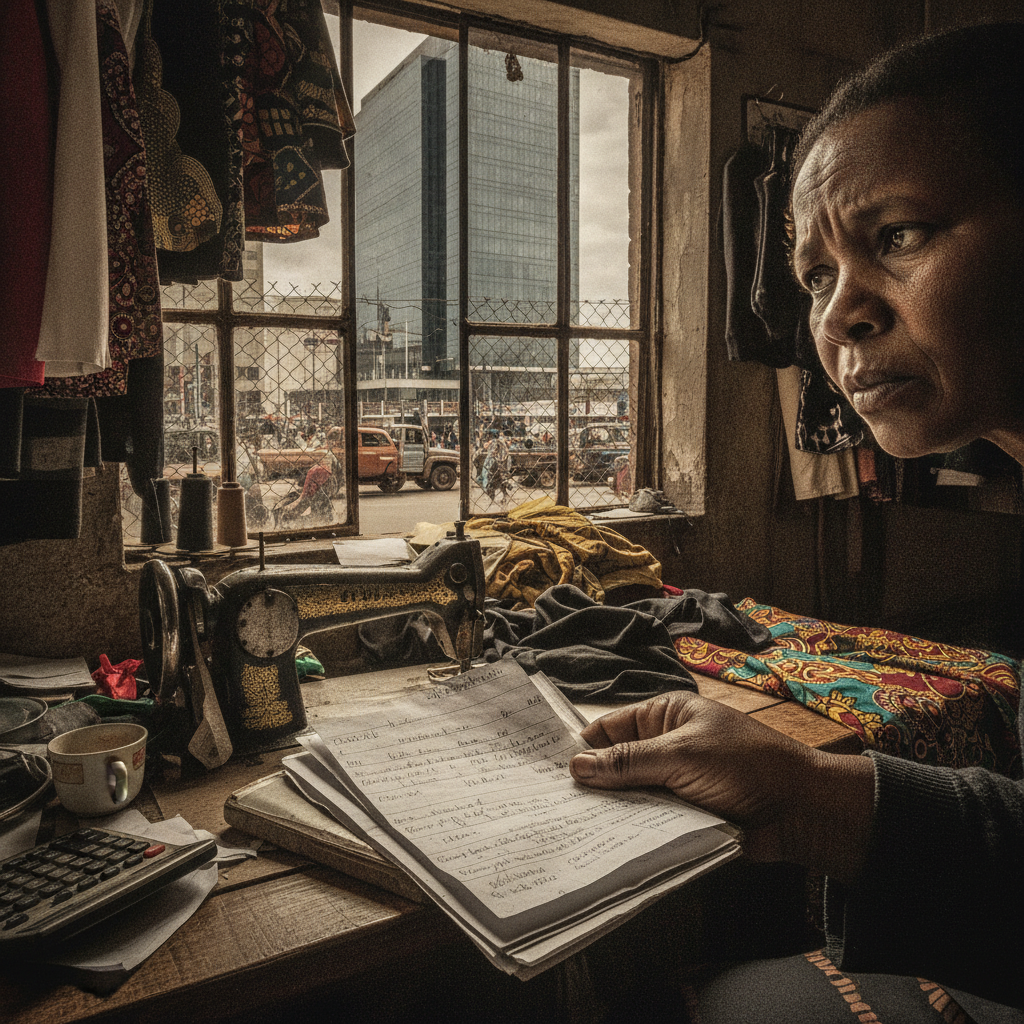
South Africa is brimming with entrepreneurial spirit, from the bustling spaza shop on the corner to the innovative tech startup. Yet, a peculiar problem persists: while capital is available globally and even within our own financial institutions, much of it struggles to reach the very small businesses that could transform our economy. It's a 'visibility paradox' – the money is there, but the system often can't 'see' the entrepreneurs who need it most.
The Funding Blind Spot
Traditional financial systems are designed for formal, established businesses. They rely on detailed financial statements, collateral, credit histories, and strict compliance. This model works well for large corporations but often leaves out a significant portion of South Africa's small and informal enterprises. Many micro-businesses operate with cash, lack formal registration, or simply don't have the extensive paperwork required by banks. Their business models might be unconventional, making it difficult for standard algorithms to assess risk and potential. This isn't a reflection of their viability, but rather a mismatch between their operational reality and the stringent requirements of lenders.
Beyond Traditional Metrics
The challenge, therefore, isn't a lack of ambition or a shortage of capital, but a systemic inability to identify and assess the entrepreneurial landscape fully. To bridge this gap, financial institutions, policymakers, and development agencies need to rethink their approach. This means looking beyond traditional metrics and embracing alternative data points. Could mobile payment records, community reputation, supplier relationships, or even informal savings groups provide insights into a business's health and repayment capacity? Innovators in the fintech space are already exploring these avenues, using technology to create more inclusive financial products.
Empowering the 'Unseen'
For entrepreneurs, becoming 'visible' often means formalising operations, understanding financial literacy, and building a track record, however small. For the system, it means developing flexible, jargon-free products tailored to the needs of diverse small businesses. Public-private partnerships can play a crucial role, with government initiatives supporting new lending models and de-risking investments for private funders. Simplifying registration processes and providing accessible business support services can also help bridge the divide, transforming informal enterprises into formally recognised entities capable of attracting investment.
The South Africa Angle
This 'visibility paradox' hits particularly hard in South Africa. Our economy is characterised by a vast informal sector, which, while vibrant and essential for livelihoods, often operates outside the formal financial ecosystem. Bridging this funding gap is not just about economic growth; it's about addressing historical inequalities, creating jobs in communities desperately needing them, and fostering genuine inclusive development. Many township and rural enterprises, though highly resilient and innovative, remain underserved by mainstream finance. Unlocking capital for these 'invisible' businesses could unleash a wave of economic activity, leading to significant job creation and poverty reduction across the country. It requires a concerted effort to adapt our financial infrastructure to the unique realities and immense potential of every South African entrepreneur.
Source: Google News · SA small business